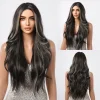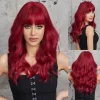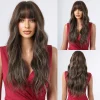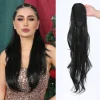
Hair loss can be a difficult and embarrassing condition to deal with. It can affect your self-esteem, confidence, and even your social life. If you are struggling with hair loss, there are a number of non-surgical solutions available that can help you regain your confidence and look your best. Hair topper types are one such solution. Hair toppers are small, clip-on hair pieces that add volume, thickness, and length to your hair. They are designed to blend in seamlessly with your natural hair, so no one will know you are wearing them.
Hair toppers are a great option for people who have thinning hair but still have a healthy hairline and some natural hair on top. They are also a good option for people who want to add volume or length to their hair without having to commit to a full wig or hair extensions.
Factors to consider when choosing a hair topper

There are a number of factors to consider when choosing a hair topper. These include:
Hair topper base size:
The size of the hair topper base will determine how much coverage you get. If you have a small area of thinning hair, you may be able to get away with a smaller base size. However, if you have a larger area of thinning hair, you will need a larger base size.
Hair topper base material:
There are three main types of hair topper base materials: monofilament, lace, and silicone.
– Monofilament: Monofilament bases are made of a single layer of hair-like fibers. They are lightweight, breathable, and allow for natural hair movement.
– Lace: Lace bases are made of a thin, mesh material. They are thin, lightweight, and blend seamlessly with your natural hair.
– Silicone: Silicone bases are made of a flexible, adhesive material. They are lightweight, secure, and easy to put on and take off.
Hair topper texture:
Hair toppers come in a variety of textures, including straight, wavy, and curly. Choose a texture that closely matches your natural hair texture for a seamless blend.
Hair topper color:
The color of your hair topper should match your natural hair color as closely as possible for a natural appearance. Consider your overall hair color, including highlights and lowlights.
Hair topper length:
The length of your hair topper should be similar to your natural hair length for a balanced look. Consider your personal preferences and styling options.
Additional Factors to Consider

In addition to the key considerations listed above, there are a few other factors to keep in mind when choosing a hair topper. These include:
Hairstyle preferences:
Choose a hair topper that complements your desired hairstyle. For example, if you have a short hairstyle, you will need a hair topper that is specifically designed for short hair.
Hair loss pattern:
Consider the pattern of hair loss and choose a topper that provides adequate coverage. For example, if you have male pattern baldness, you will need a hair topper that covers the crown of your head.
Hair density:
Match the hair density of the topper to your natural hair density for a natural blend. For example, if you have thin hair, you will need a hair topper with a high hair density.
Maintenance requirements:
Understand the maintenance requirements for different hair topper materials and textures. For example, monofilament hair toppers require more regular cleaning than lace hair toppers.
Expert Advice and Recommendations

It is important to seek professional advice when choosing a hair topper. A hair loss expert or stylist can help you determine the right size, material, texture, color, and length for your needs. They can also help you try on different hair toppers to find the best fit and style.
Here are some additional tips for choosing a hair topper:
Set a budget:
Hair toppers can range in price from a few hundred dollars to a few thousand dollars. Set a budget before you start shopping so you don’t overspend.
Consider your lifestyle:
If you are active or participate in sports, you may want to choose a hair topper that is durable and secure.
Be realistic about your expectations:
Hair toppers can help you improve the appearance of your hair, but they are not a miracle cure. If you have severe hair loss, a hair topper may not be the best solution for you.
Conclusion
Choosing the right hair topper types can be a challenge, but it is important to take the time to find one that meets your individual needs and preferences. By considering the factors listed above, you can find a hair topper that will help you look and feel your best.